
Cardiovascular
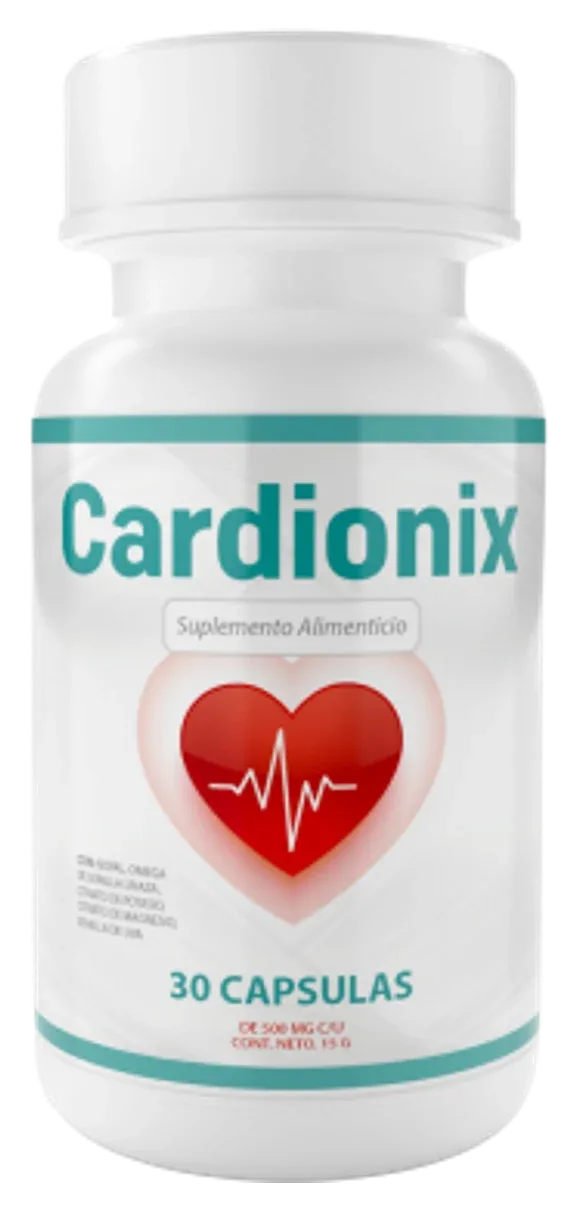
Cardionix
4.6 · 36 reviews
Español (México)
Cápsulas con fibra de nopal, omega-3 de linaza, minerales y antioxidantes vegetales para acompañar el bienestar cardiovascular. México.
View product pageCategory
Cardiovascular supplements are for adults who want to support a healthy heart, flexible blood vessels and blood pressure in the normal range. They work as part of a heart-smart lifestyle: daily walks, less sodium, more produce and regular blood pressure checks.
Cardiovascular
Español (México)
Cápsulas con fibra de nopal, omega-3 de linaza, minerales y antioxidantes vegetales para acompañar el bienestar cardiovascular. México.
View product page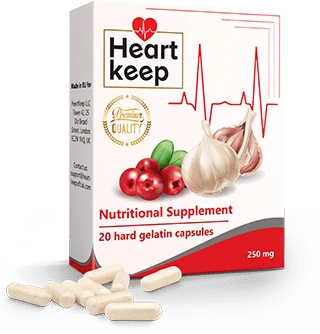
Cardiovascular
English (Philippines)
Capsules with garlic and mountain hawthorn for daily heart and blood vessel support. 20 capsules, Philippines.
₱1,950
Read reviewAvailable in other regions
EPA and DHA are omega-3 fatty acids found mainly in oily fish such as salmon, sardines and mackerel. Under EU-authorized claims, EPA and DHA contribute to the normal function of the heart.
If grilled salmon is not on your table twice a week, an omega-3 supplement is one of the simplest ways to bring these fats into your diet.
Potassium contributes to the maintenance of normal blood pressure, and it is plentiful in bananas, potatoes, beans, spinach and avocados. Many Americans eat far more sodium than potassium, so shifting toward produce helps on both fronts.
Magnesium, found in nuts, seeds and whole grains, contributes to normal muscle function, and the heart is a muscle that never takes a day off.
Garlic has been valued in kitchens and traditional medicine for thousands of years and is a popular ingredient in heart formulas. Hawthorn, a shrub in the rose family, has a long history in European herbal practice for supporting the heart and circulation.
Coenzyme Q10 is a compound the body makes on its own and uses in energy production inside cells; small amounts come from meat and fish. Many people like to add it to their heart support plan.
Aim for around 150 minutes of moderate activity a week, keep salty processed foods in check and know your numbers from regular blood pressure readings. A supplement is a helpful companion to these habits, not a replacement.
No. A heart support formula is a dietary supplement, not a medicine. Never stop prescribed treatment without your doctor's advice.
Oily fish for omega-3, leafy greens and beans for potassium and magnesium, and nuts and whole grains for magnesium and fiber are great places to start.
Chest pain, shortness of breath or sudden weakness on one side of the body require emergency care. Call 911 right away.